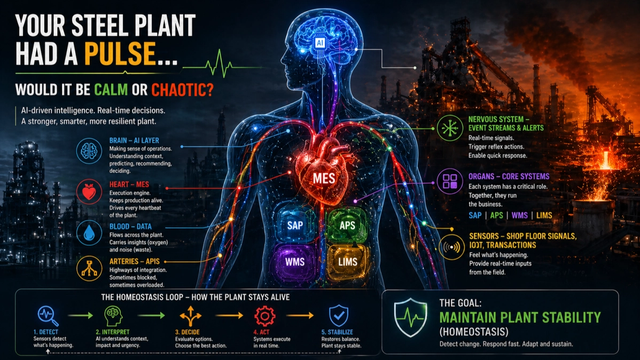
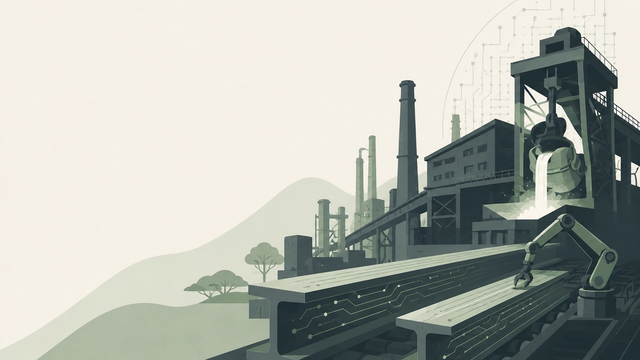
As a steel manufacturer wrestles with outdated processes, a sudden equipment failure halts production, costing thousands in lost revenue. This scenario is all too common, but integrating AI can prevent such crises and streamline operations.
In recent years, the steel manufacturing industry has faced mounting pressure to modernize its supply chain workflows. With global demand fluctuations and competition increasing, the costs of maintaining outdated systems have become more apparent. The need for efficient, predictive maintenance and real-time data analytics is now at the forefront of operational strategies. The ability to anticipate equipment failures and optimize production schedules can no longer be considered optional—it is essential for remaining competitive and mitigating financial losses.
Readers will gain insights into how AI technologies can be strategically integrated into existing supply chain systems to enhance efficiency and reliability. We'll explore actionable approaches to harnessing AI for predictive maintenance and data-driven decision-making, ensuring that costly disruptions become a thing of the past.
Understanding the Current Landscape

As you delve into the integration of AI within the steel manufacturing sector, it's crucial to first grasp the current landscape. The industry stands at a unique intersection of tradition and innovation, where decades-old equipment and processes meet cutting-edge technology. The challenge lies in marrying these elements without disrupting the delicate balance of the supply chain.
One of the primary hurdles is the sheer complexity of legacy systems. These systems, deeply entrenched in the operational fabric, often lack the flexibility needed to accommodate AI advancements. Unlike modern platforms designed with adaptability in mind, many existing systems in steel manufacturing are rigid, requiring significant overhauls to interface effectively with AI technologies. This means that the integration process often demands a customized approach, tailored to preserve the integrity of the existing infrastructure while introducing new capabilities.
Furthermore, the data landscape in this industry is both a treasure trove and a minefield. While the copious amounts of data generated provide a rich resource for AI, the challenge is in the quality and accessibility of this data. Historical data may be incomplete, siloed, or in formats that are incompatible with modern analytical tools. It's not simply a matter of feeding data into AI systems; it's about ensuring that this data is clean, structured, and relevant to drive meaningful insights. The key is to establish robust data governance practices, which will form the backbone of any successful AI integration.
"The integration of AI into legacy systems in steel manufacturing requires a thoughtful approach, balancing innovation with the preservation of core operational stability."
Additionally, there is the human element to consider. Employees who have spent years mastering the nuances of traditional systems may view AI with skepticism or apprehension. This is not just a technical shift; it's a cultural one. Change management becomes essential, involving thorough training and communication strategies to align your team with the new technological trajectory. The goal is to empower employees, showing them how AI can complement their expertise rather than replace it.
Lastly, integrating AI into supply chain workflows entails navigating regulatory and compliance landscapes. As with any industrial sector, steel manufacturing is subject to stringent regulations aimed at ensuring safety, quality, and environmental responsibility. Integrating AI means not only adhering to these regulations but also leveraging AI to enhance compliance. This could involve using predictive analytics to anticipate and mitigate risks before they become compliance issues.
Understanding these facets of the current landscape sets the stage for a strategic approach to AI integration. It’s not merely about adopting new technology for the sake of modernity but about leveraging AI to enhance and evolve existing practices. Grappling with these challenges head-on will enable you to build a roadmap that aligns technological advancements with business objectives, paving the way for the next section's exploration of strategic implementation steps.
AI Integration Strategies

The integration of Artificial Intelligence (AI) into supply chain workflows within the steel manufacturing industry presents both challenges and opportunities. Understanding effective strategies for this integration is crucial to enhancing existing systems and unlocking new efficiencies. By thoughtfully approaching AI adoption, organizations can transform traditional workflows into more sophisticated, insightful operations.
First, a targeted approach should be taken when identifying processes ripe for AI integration. Not every component of a legacy system will benefit equally from AI enhancements. Begin by pinpointing specific workflows that are both high-impact and data-rich. This strategic focus ensures that resources are utilized where they can generate significant value. For example, predictive maintenance can benefit immensely from AI by analyzing patterns and reducing downtime, thereby improving operational continuity and efficiency.
Data quality is paramount. Accurate, relevant, and comprehensive data serve as the foundational element for any successful AI deployment. In the context of steel manufacturing, data collected from production lines, inventory systems, and logistical operations must be meticulously organized and maintained. Investing in robust data management practices can amplify AI's effectiveness, ensuring that insights derived are both actionable and reliable. Remember, AI's potential is directly proportional to the quality of the data it processes.
Once data integrity is assured, organizations should look toward developing a collaborative environment where AI systems seamlessly integrate with human expertise. This synergy between AI and human intelligence can result in more informed decision-making processes. Human oversight remains crucial, particularly in scenarios that demand nuanced judgment or where ethical implications may arise. Establishing a clear framework for this human-machine collaboration can enhance trust and optimize workflow outcomes.
Moreover, it is essential to establish clear performance metrics at the outset of AI integration. These metrics should measure the tangible benefits AI brings to the supply chain, such as reductions in lead times, improved inventory management, and cost efficiencies. By setting quantifiable objectives, organizations can more easily evaluate the ROI of AI initiatives and adjust strategies as necessary. Transparent metrics not only guide the integration process but also provide stakeholders with visibility into the project’s success.
A successful AI strategy involves more than just technology adoption; it requires a cultural shift towards data-driven decision-making, where AI insights are interwoven into the fabric of everyday operations.
Finally, an iterative approach to AI deployment will foster continual improvement and adaptation. Treat AI initiatives as evolving projects rather than fixed solutions. Begin with pilot programs that allow for experimentation and learning, enabling the refinement of AI applications based on real-world feedback. As AI systems demonstrate value, they can be scaled and expanded across additional workflows and departments.
With these strategies in place, steel manufacturers can effectively integrate AI into their supply chains, enhancing legacy systems without disrupting the foundational operations that have historically supported the industry. This transition sets the stage for the next wave of innovation in supply chain management, inviting exploration into deeper transformations and future possibilities.
Addressing Supply Chain Pressures
The complexities of modern supply chains are further exacerbated by the current geopolitical climate. Trade tensions, tariffs, and shifting alliances introduce a level of unpredictability that can disrupt even the most resilient supply chains. In the steel manufacturing sector, where the timelines are tightly controlled and the margins are thin, such disruptions can have a profound impact. Navigating geopolitical dynamics requires both foresight and agility—qualities that artificial intelligence can significantly enhance.
AI can analyze vast amounts of data to predict potential disruptions caused by geopolitical events. For instance, if a country imposes new tariffs on steel imports, an AI system could quickly assess the implications on sourcing and logistics. This immediate insight allows companies to pivot their strategies accordingly, securing alternative suppliers or adjusting production schedules in real-time. Such responsiveness is crucial in maintaining supply chain efficiency amidst political uncertainties.
Moreover, AI can assist in scenario planning, enabling steel manufacturers to simulate various geopolitical situations and their potential impacts. This strategic foresight empowers decision-makers to develop contingency plans well in advance. By understanding the range of possible outcomes, companies are better prepared to mitigate risks and capitalize on opportunities as they arise. Reactive strategies become proactive, allowing for a more resilient approach to supply chain management.
"The ability to forecast and adapt to geopolitical shifts is no longer a luxury but a necessity in maintaining competitive advantage."
In addition to these predictive capabilities, AI contributes to real-time communication across global operations. When geopolitical events trigger sudden changes, having a centralized AI-driven system ensures that information flows seamlessly through the supply chain. This connectivity ensures that all stakeholders, from suppliers to logistics providers, remain aligned and informed. Such coordination minimizes delays and reduces the likelihood of operational setbacks.
AI's potential isn't limited to addressing immediate disruptions. It also provides insights into long-term strategic positioning. By analyzing geopolitical trends, AI can help steel manufacturers identify emerging markets or regions that may offer favorable conditions for expansion. This data-driven approach allows companies to make informed investment decisions, ensuring they are well-positioned to adapt as the global landscape evolves.
As the complexities of global trade continue to unfold, integrating AI into supply chain workflows becomes not just advantageous but essential. Preparing for the unexpected and seizing new opportunities requires a nimble and informed strategy. The next step considers how to effectively integrate AI technologies into existing supply chain systems.
Future-Proofing Through Energy Efficiency
In the realm of steel manufacturing, integrating AI into supply chain workflows represents a seismic shift toward sustainable operations. As energy consumption remains a critical concern, AI technologies offer promising strategies to enhance energy efficiency, ultimately leading to more environmentally friendly manufacturing processes. By harnessing AI's capabilities, steel manufacturers can not only reduce their carbon footprint but also create a resilient supply chain capable of withstanding future challenges.
One primary strategy involves predictive analytics. By leveraging AI-driven predictive models, manufacturers can anticipate energy demands more accurately, allowing them to optimize energy use across the entire supply chain. This proactive approach minimizes energy wastage and ensures that resources are allocated in the most efficient manner possible. Consider how, through AI, a steel plant might predict high energy consumption periods and adjust operations accordingly to flatten peak demand and reduce unnecessary energy spikes.
Moreover, AI can play a critical role in enhancing the efficiency of production processes. For instance, machine learning algorithms can analyze vast datasets to identify patterns and inefficiencies in current operations. By refining these processes, manufacturers can significantly lower energy consumption rates. This not only conserves precious energy resources but also results in cost savings, which can be reinvested into further sustainability initiatives.
The implementation of AI in supply chain management also opens the door to real-time monitoring and adjustments. With AI, manufacturers gain the ability to monitor energy use continuously and make instant adjustments to operations. Such dynamic capabilities allow for an immediate response to deviations from optimal energy usage patterns, ensuring that corrective measures are taken swiftly to maintain efficiency.
Beyond individual plant operations, AI fosters collaboration across the supply chain. By integrating systems and sharing data, manufacturers and their partners can coordinate to optimize energy use collectively. An AI-powered platform could facilitate this by providing insights that drive consensus on best practices and strategies for reducing energy consumption. Such collaboration emphasizes the importance of a unified approach to sustainability, highlighting AI's potential to galvanize change industry-wide.
- AI-driven predictive analytics for accurate energy demand forecasting
- Machine learning algorithms identify operational inefficiencies
- Real-time monitoring for instant operational adjustments
- Collaborative platforms for integrated energy optimization
To maximize these benefits, it is imperative to establish clear metrics for measuring the success of AI interventions. Critically evaluating these outcomes ensures that the supply chain's energy efficiency goals are met and adjusted as needed. This vigilant oversight not only validates the effectiveness of AI solutions but also sets a benchmark for continuous improvement.
As AI continues to evolve, it offers a pathway to transform steel manufacturing into a more sustainable and agile industry. By incorporating AI into supply chain workflows and focusing on energy efficiency, manufacturers can future-proof their operations against both environmental and economic challenges. This evolution is not just about keeping pace with technological advancements but about leading an industry-wide shift towards greater sustainability and resilience. As we look to the future, the next frontier will be exploring how these AI-driven efficiencies can extend beyond energy to other pressing sustainability challenges.
The takeaway: Integrating AI can lead to significant improvements in legacy supply chain systems, making them more efficient and responsive to market demands.
Further reading
- Examining the integration of artificial intelligence in supply chain management from Industry 4.0 to 6.0: a systematic literature review
PMC
- Why AI Data Quality Is Key To AI Success
IBM
- Data quality in AI: 9 common issues and best practices
TechTarget
- AI will protect global supply chains from the next major shock
World Economic Forum
- Inadequate Modeling Data Costs Billions to US Manufacturers
NIST